I’ve talked a lot about specific details in two films. I’ve talked a lot about how those details enabled me to connect with material that, on the surface, I wouldn’t have much to identify with. I’ve hopefully convinced you that this tactic makes universal stories bearable. Which is something that’s really important to me. Because I know a thing or two about universal stories.
You see, I studied the mythologies. And while I absolutely loved it and think about returning fairly frequently…it got a little boring.
You see, there are only so many stories. As I outlined in my last two posts, The Last Black Man in San Francisco and The Farewell both dealt in some transcultural, eternal motifs. You could argue they weren’t anything new. “Oh, a prince is exiled from his family home! But wait, a young woman struggles with her family’s traditions. A grandma might die!” Oh boo-hoo, cry me a river.
I am, of course, kidding. I love those movies, remember! But I can admit, they don’t tell a new story. They just tell an old story…with new details. This method of refreshing old tales with a fresh coat of paint and a new decorative pillow is basically the only way myths have stuck around as long as they have. It’s all home decorating, baby.

When I talk about specificity in mythology, I’m talking about both plot and character. I’m talking about how it’s important that a girl is being chased by a witch, but also how it’s important that that witch is Baba Yaga (a name my computer keeps wanting to autocorrect to Baby Yaga and now I want to make a movie with a baby in a mortar and pestle).
A frequent criticism of myths and, in particular, fairy tales is that they have extraneous details. I feel like, whenever non-mythologists (i.e. everyone) read a fairy tale, their reaction goes a little something like this:
Wait, this girl, in order to evade Baba Yaga, has to throw a comb and a handkerchief? I mean, I get it, there’s magic and the comb turns into a forest and the handkerchief turns into a river. But like…does it matter? Why doesn’t it just go, “So then the girl threw some shit and it magically, inexplicably turned into other shit! And she got home safely and married a prince and lived happily ever after. The end.”? Why isn’t that the story?
Because that’d be fucking boring! The details give it spice! The details give us mythologists a fun equation to analyze: 1 an ugly old witch threatens devouring (and uses culinary tools) + 1 young woman escapes (using tools of beauty and acts of kindness to animals) = the power and utility of a woman is defined by her age and beauty, but fuck are we scared of menopausal women and the magic they cast in the kitchen.
Details give audiences something relatable to hold onto. The details in myths may seem random to listeners and readers today, but that is in large part because these are composite versions that have been built upon over time. One generation tells it one way, with this set of details. The next generation takes it to a new land, with different cultural norms. So they keep a detail or two, but they might add a new one. Then the next generation mingles with a different immigrating culture and bam, you got a whole new combination of old and new.
A myth is kind of like a delicious curry. You need time between each ingredient’s addition. This way the flavor has time to evolve, get strong, and then spread throughout the whole dish. Only when that’s happened is the perfect time to introduce a new layer. At the end of the process, you can’t necessarily point to any one flavor. Each one passes you by, escaping identification but contributing to the whole. It’s the combination of all of them that makes the dish sing.

Just as a myth needs good bones, it also needs good accessories. A good myth is well-dressed skeleton. Its accessories enhance, rather than distract. Bones and accessories work hand in hand to deliver timeless and deeply personal stories to countless ears, eyes, and hearts. And together they make one whole human.
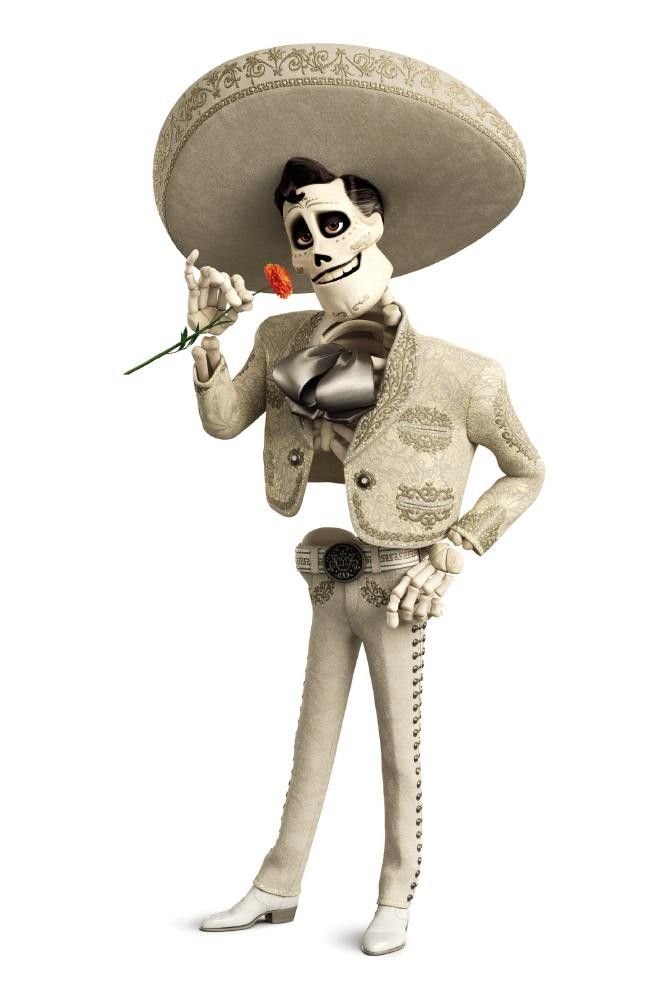
All these metaphors and I’ve never even taken a biology or cooking class.
I think, if anything, the countless versions of a fairy tale or similiarities in a hero’s journey myth demonstrate that it’s the details that connect with audiences. I’m really going against Grand Daddy Campbell here, but diversity helps a story to connect with more audiences for longer periods of time. How many times has fucking Beauty and the Beast been remade? By Disney alone? Though the Disney versions offer very little variation, they do reflect (some) different choices. (And actually, here is a pretty dope examination of that by Vox.)
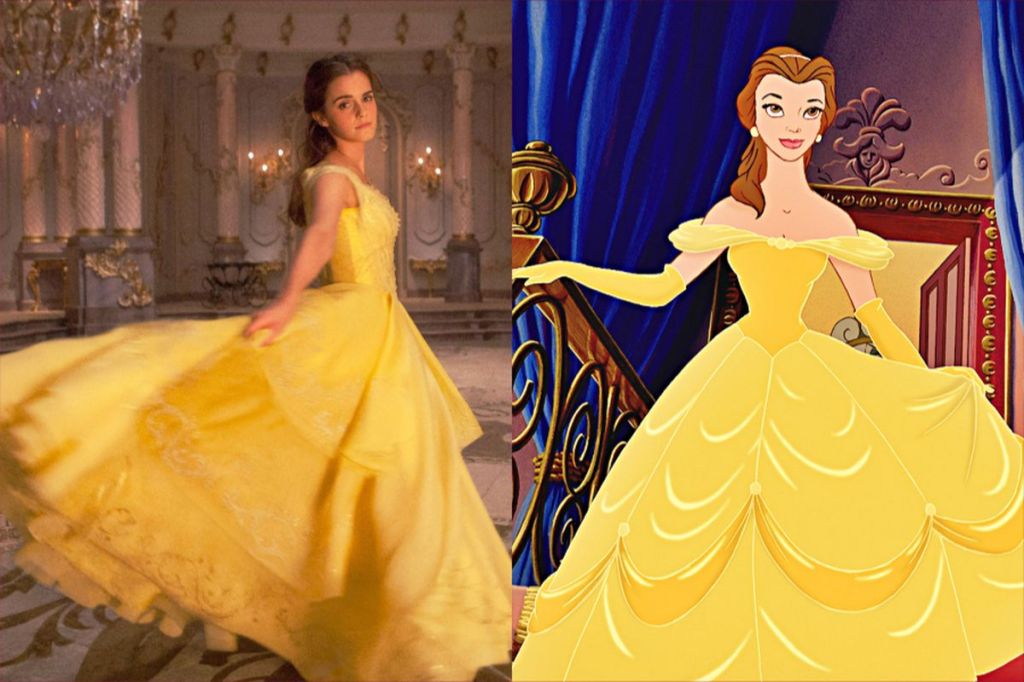
A storyteller’s choices of setting, gender, ethnicities, cultures, ages, time period, style, even music all go a long way to make something where unique accessories are the gateway to deep, universal, and profound…bones.
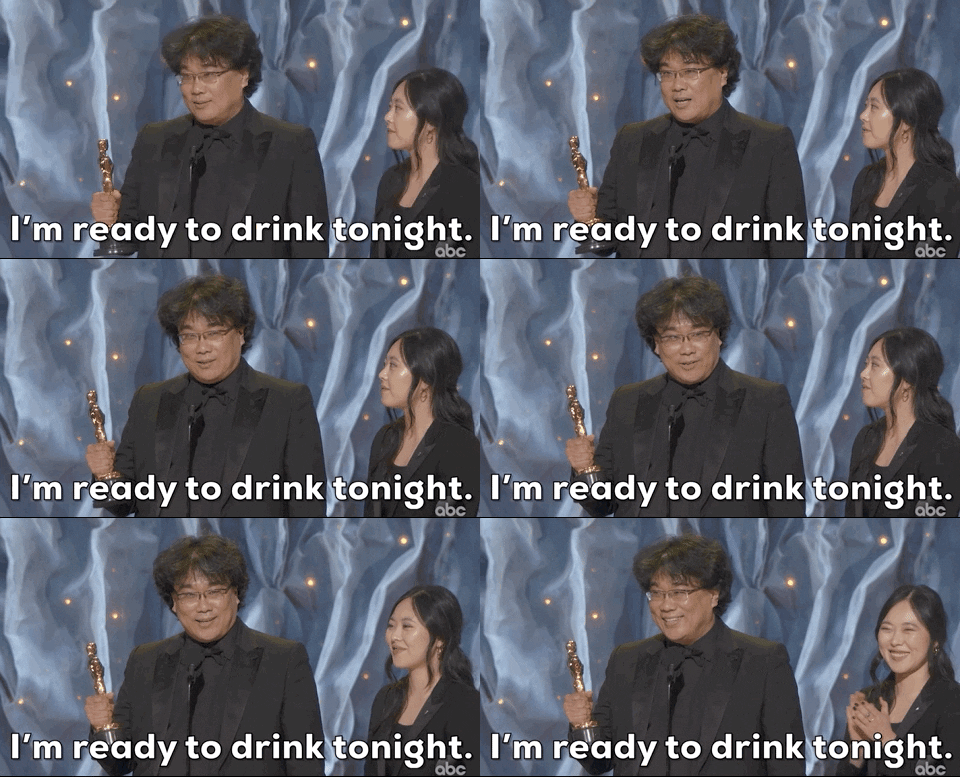
On a completely different thought, Bong Joon-ho and his collaborates won multiple awards last awards season (including a best picture Oscar) for Parasite, which if you haven’t seen it…I mean….please go now.
Besides the film itself, I was delighted by Bong Joon-ho & Co.’s charming acceptance speeches. But his speech for Best Director was particularly moving. In a full-circle, Bong quotes Martin Scorsese back to Martin Scorsese, sitting in the crowd and hopefully not too sad he just lost Best Director. The quote: “The most personal is the most creative.”
For me, the unique and personal story is not a completely novel plot. It’s the overlooked perspective, the one that glances at a well-known situation askance, slightly angled, narrowed, and completely fixated. The results are often revelatory. The Personal Story, as Scorsese and Bong put it, is the one where an inalienable personal detail draws me into a deeper well. It poses a question to just me. And then 100 other people answer back.
Try talking to 100 people and you’ll be lucky to get one deep conversation. But talk to one? To have a true and winding and vulnerable conversation with just one person? That’s storytelling. It can be nonlinear at time, or bombastic, frenetic. But it’s personal. Many can rally behind it, but a story, a Personal Story, is still just for one person.
There’s one last thing that I wanted to say. Myths are just as much about the people left behind as they are about the heroes journeying forth. Frequently, it’s the “side” characters who fascinate, whose episodes draw the most attention. Baby Yaga, Hanuman…these characters are not the nameless witches or sidekicks. They are a vehicle for most of the originality of a story to shine through.
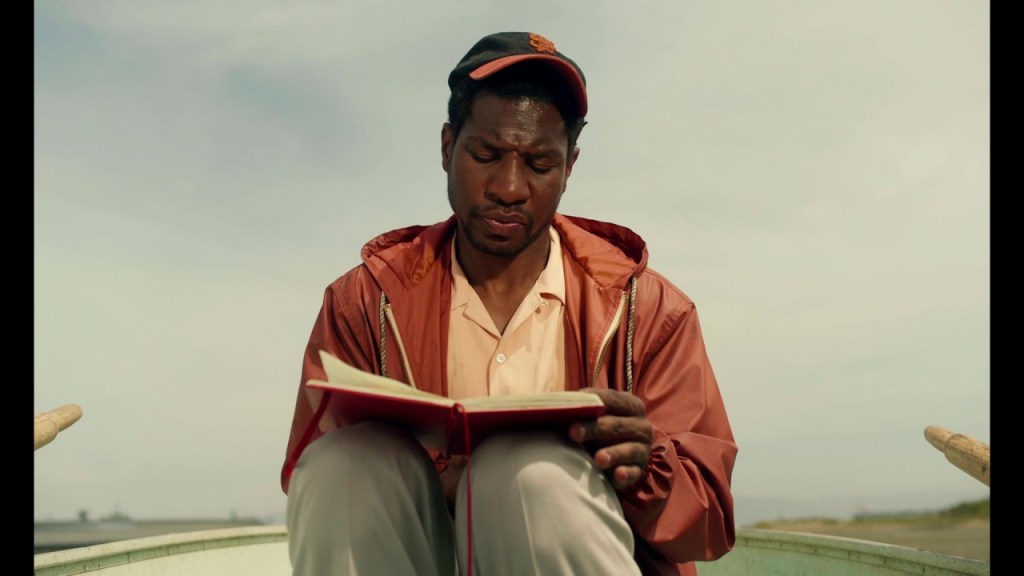
To bring it back to the film that started this all, Jimmie leaves San Francisco at the end of the The Last Black Man in San Francisco, rowing out into the great Pacific Ocean. With this act of desertion, he reveals the real last black man in San Francisco: Mont.
Beautiful, odd Mont. Mont who draws, who writes, who acts out unacknowledged wounds and traumas of his community. He is the steadfast witness and chronicler of his home. Oft overlooked, but essential to the story. Mont’s strength is to identify and celebrate the minutiae of the mundane, to elevate the details that others would disregard and discard. He is a storyteller in the truest sense, a modern shaman. It is fitting, then, that he stays. With Mont still around, the City and its Personal Stories have a chance.
And that, folks, is my impassioned argument for the details. Please make your stories as personal as possible. It’s thanks to those details that they ring true, even if you think it’s just to one person. You might be surprised by who will hear you.